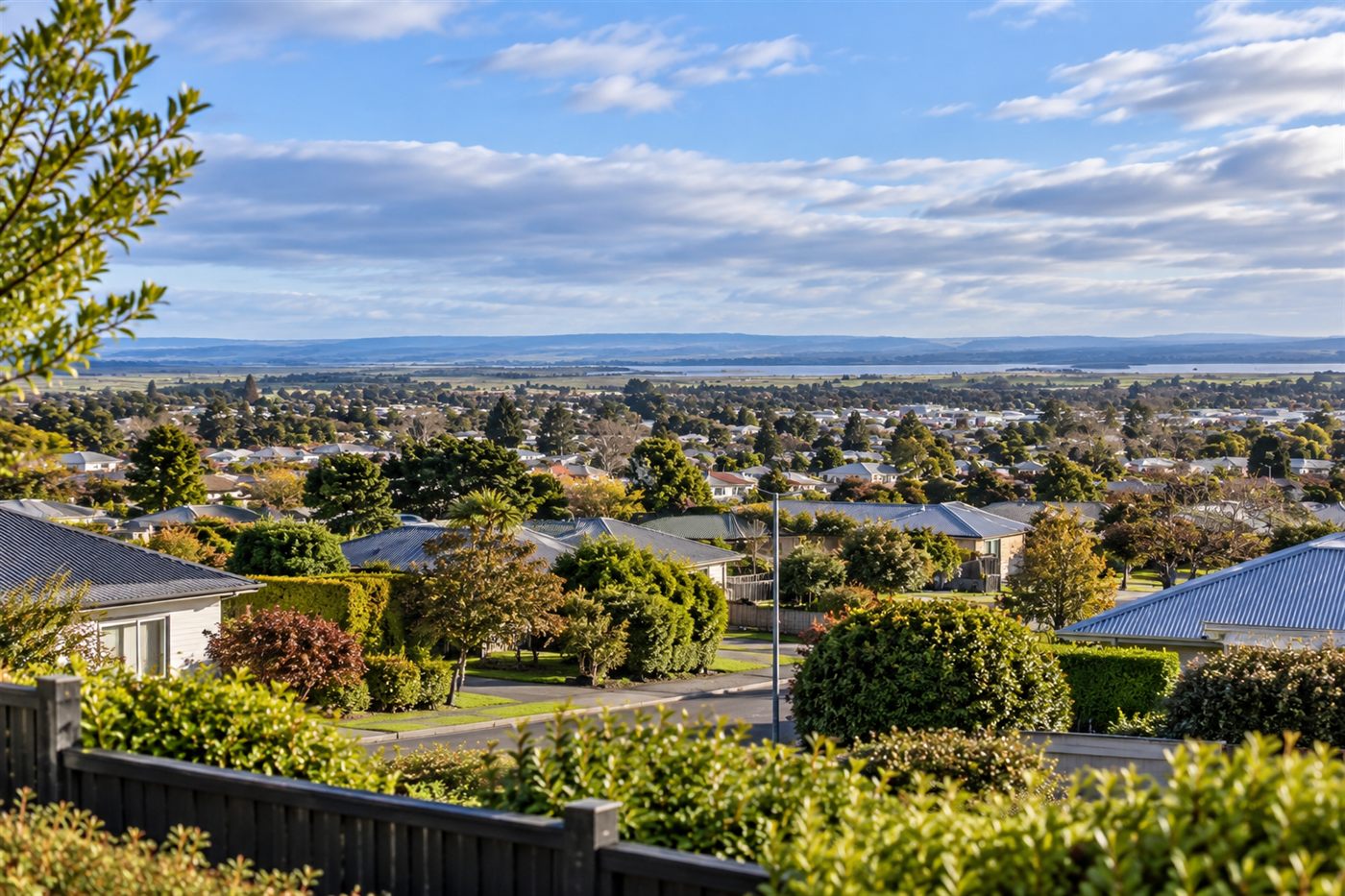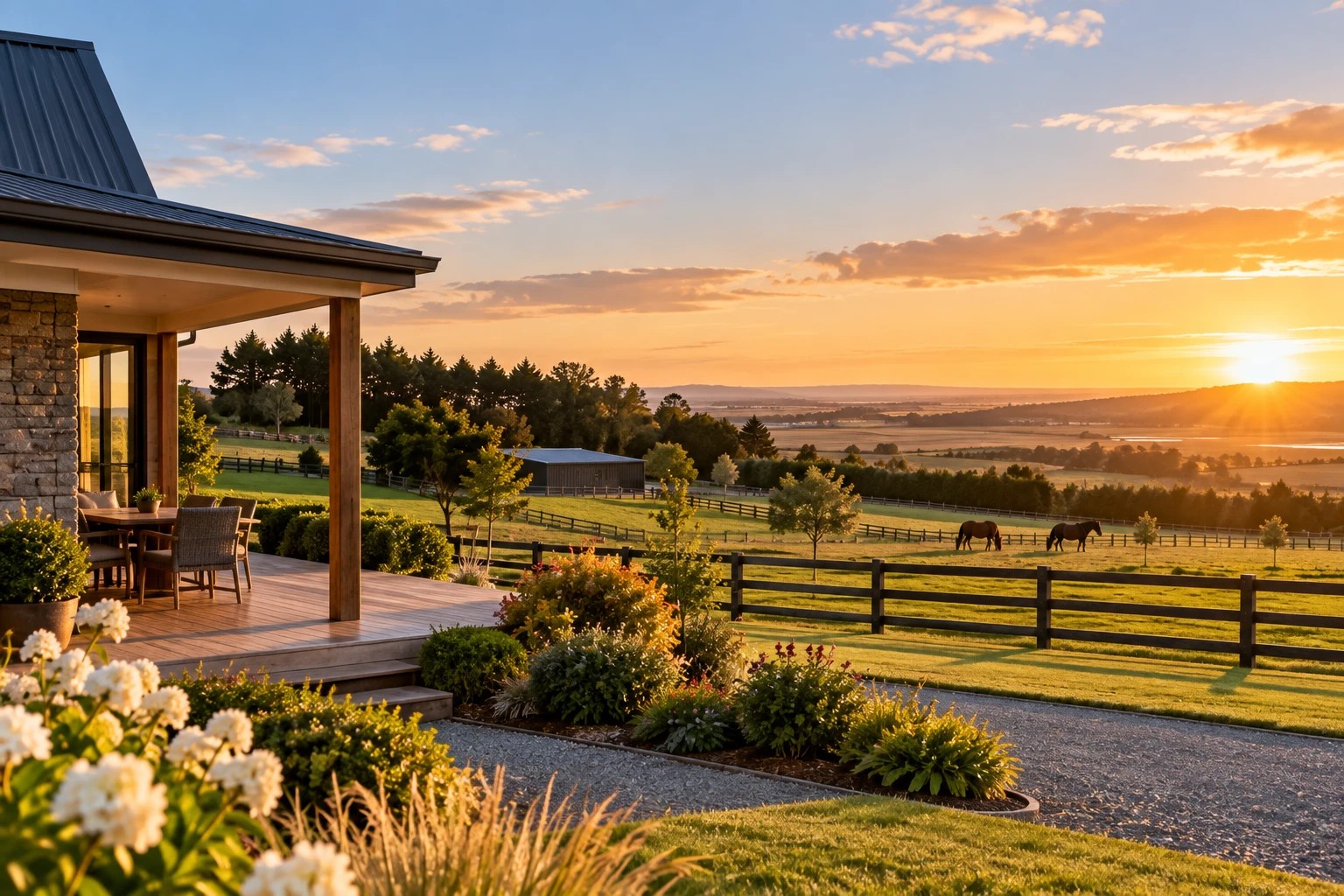
A lifestyle property is usually anything from around one to a few tens of hectares — more land than a standard residential section, but not a full working farm. They're popular across Southland, and they come with a genuinely different set of things to think about, on both sides of the sale.
What's different about the land itself
Water supply. Many lifestyle properties aren't on town supply — instead there's a bore, a rain tank, or a shared rural scheme. Ask how reliable the supply has been, and whether it's been tested.
Wastewater. Almost always a septic tank rather than town sewage. Ask when it was last serviced and where it actually sits on the section.
Fencing and boundaries. Check the condition of boundary fencing, and whether there are any grazing or lease arrangements with a neighbour that would carry over.
Access. Some properties sit on unsealed roads or have a shared right-of-way. Worth understanding who's responsible for maintaining it.
Quick tip
If you're buying, get the water tested and ask for septic service records as part of your due diligence — these are the two things that surprise people most after settlement.
Selling a lifestyle property
The buyer pool is smaller and more specific than for a standard home — people are often searching deliberately for land, space, or a particular lifestyle, not just a house. Marketing usually needs to work harder to reach them, and it can take a bit longer to find the right match. That's normal, not a sign something's wrong with the property.
If you're thinking about either side of a lifestyle sale, I'd love to talk through what to expect for your specific property — every block is a little different.
This is general information only. Always get water, wastewater and any consent matters checked by a suitably qualified professional.