Buying your first rental is a different process to buying a home to live in, even though the paperwork looks similar. Here's where I'd suggest starting.
1. Talk to a lender about investment lending specifically
Lending rules and deposit requirements for investment properties are generally stricter than for an owner-occupied home, and they do change over time. Get pre-approval specific to an investment purchase before you start looking seriously, so you know your real budget.
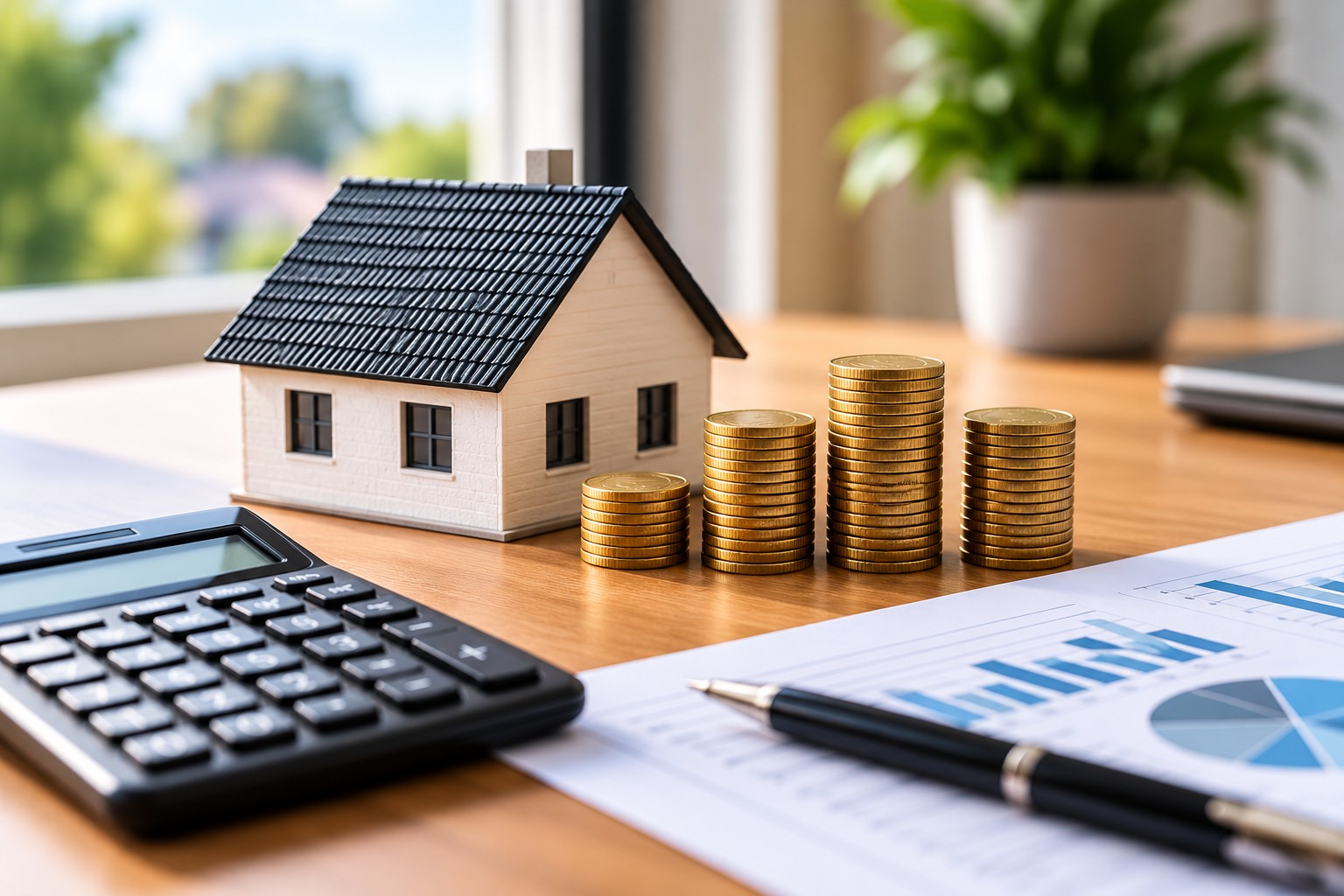
2. Work out your numbers before you search
Decide what you're after — cash flow, capital growth, or a bit of both — and roughly what that means in terms of price range and yield. Searching without this is how people end up either paralysed by choice or talked into something that doesn't actually fit.
3. Build your team early
An accountant who understands residential investment, a mortgage adviser, a lawyer, an insurer and, if you're not planning to self-manage, a property manager. Having these people lined up before you find a property saves a lot of stress once you're under contract.
Quick tip
Talk to a property manager before you buy, not after — they can tell you realistically what a property will rent for and what tenants in that area actually want.
4. Decide new vs existing, and pick your area
Both are covered in more depth elsewhere in this Insights section — worth reading both before you commit to a direction.
5. Start smaller than you think, if you're unsure
A straightforward first purchase teaches you a lot about being a landlord without overextending you financially. There's no rule that says your first investment property has to be your most ambitious one.
If you're at the very start of this process, I'm happy to just talk through what makes sense for you before you commit to anything.
This is general information only, not financial or lending advice. Speak with a mortgage adviser about your own borrowing position.