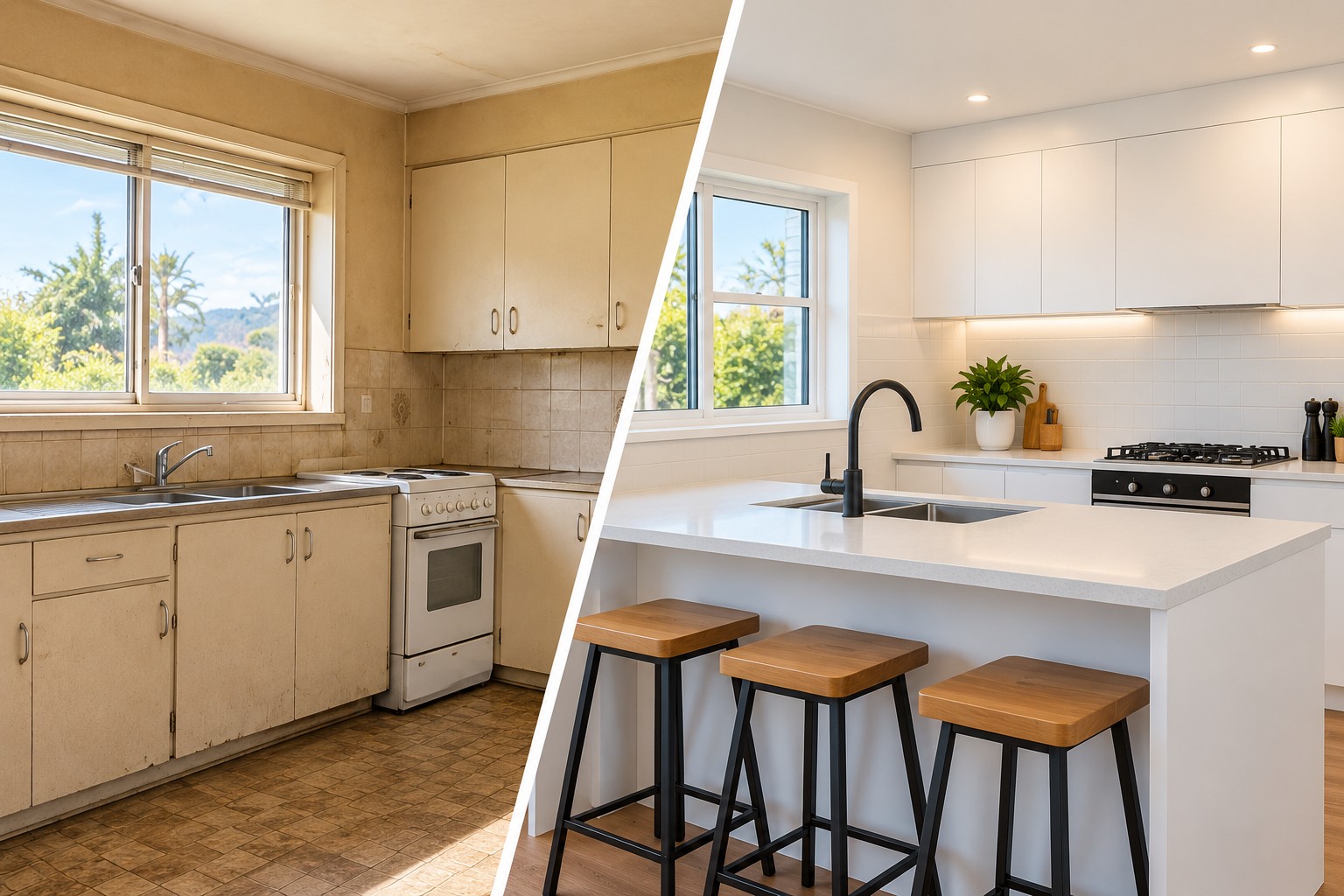
The basic trade-off between new builds and existing property is well known: pay more upfront for less maintenance, or pay less upfront and take on more risk and work. For investors specifically, a few extra factors are worth weighing up.
Warranties and compliance
A new build typically comes with a builder's guarantee and code compliance from day one, and will meet Healthy Homes standards without any extra work. An existing property may need upgrades to meet those same standards, which is a cost and a timeline to factor in before you can legally rent it out.
Cash flow while building
If you're buying off-plan or building, there's a period with no rental income at all, while you may already be paying interest or progress payments. That gap needs to be part of your numbers, not an afterthought.
Tax and depreciation
New builds have historically had more favourable tax and depreciation treatment than existing properties in New Zealand, though the rules here change and are genuinely specific to your circumstances. This is squarely a conversation for your accountant, not something to assume from a general page like this.
A chattels valuation is worth getting done regardless of which you buy. Carpet, curtains, the stove, heat pump, hot water cylinder and similar items can generally still be depreciated for tax purposes, separately from the building itself. Getting a registered valuer to properly apportion how much of the purchase price relates to chattels, rather than guessing a number on the sale and purchase agreement, means the split is defensible if IRD ever asks — and it can make a real difference to what you're able to claim, on a new build or an older property alike.
Quick tip
Whichever you choose, get a LIM and a building report (or, for a new build, review the code compliance certificate and builder's guarantee documents carefully). Skipping due diligence because "it's new" is a common and avoidable mistake.
Value-add potential
This is where existing property usually wins. A tired kitchen, an unloved garden or a property that's simply been under-marketed can offer real upside that a new build, priced to reflect its finished state, generally doesn't.
Neither option is inherently better — it depends on your appetite for a project, your timeframe, and what your accountant tells you about your own position.
This is general information only, not tax or financial advice. Tax and depreciation treatment depends on your individual circumstances — confirm with your accountant.