When you buy a rental, the price isn't just for the land and the building. It also covers the things inside it, like the heat pump, stove, carpets and curtains. Those items wear out, and the tax system lets you claim some of that wear as a deduction against your rental income. A chattels valuation is how you put a number on them.
What are chattels?
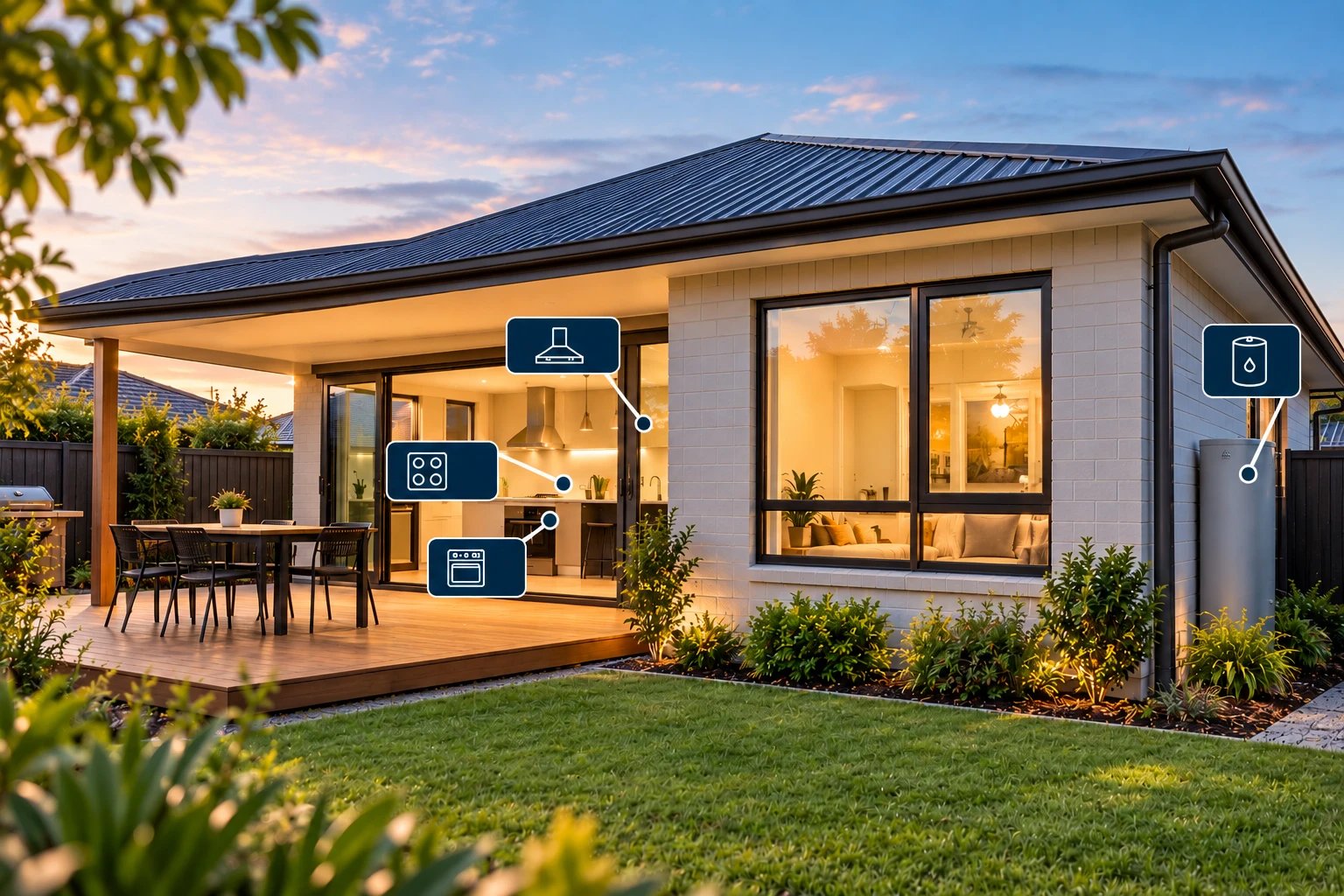
Chattels are the movable or removable items that come with a property. In a rental that usually means things like the stove and oven, rangehood, dishwasher, heat pumps, carpets and floor coverings, curtains and blinds, heated towel rails, and extractor fans. Each type of item has its own depreciation rate set by Inland Revenue.
Why a valuation matters
If nobody puts a value on the chattels, the whole price tends to be treated as land and building, and you don't get to claim depreciation on the items inside. A valuation does three things:
- It gives you a figure to claim against. The value is spread across the items and depreciated each year.
- It backs up your claim. If Inland Revenue asks how you arrived at a figure, a written valuation from a suitable professional is much stronger than an estimate.
- It sets your starting point. The amounts recorded now are what you depreciate from, and what's compared against the sale price if you sell later.
A worked example
These figures are made up to show how it works. Your own numbers will differ.
Assumed: chattels valued at $20,000, depreciated at an average of 15% a year on the diminishing value method, with the owner paying tax at 33% on rental profit.
Full years only. Part-years and the exact rate for each item will change the figures.
| Year | Depreciation claimed | Tax saved at 33% |
|---|---|---|
| 1 | $3,000 | $990 |
| 2 | $2,550 | $842 |
| 3 | $2,168 | $715 |
| 4 | $1,842 | $608 |
| 5 | $1,566 | $517 |
| Five years | $11,126 | $3,672 |
So on those assumptions the valuation is worth roughly $1,000 off the tax bill in the first year, and a little over $3,600 across five years. The tax value left on the chattels after five years would be about $8,900.
What to keep in mind
- The value has to be realistic. The allocation should reflect what the items are actually worth, not the biggest number you can justify.
- The rules change. Depreciation settings have moved around in recent years, including for buildings, so what applies to you is worth confirming each year.
Quick tip
Put a chattels valuation on your to-do list for soon after you settle, while the property and its fixtures are fresh. Ask your accountant whether it's worth doing for that property, and what they'd want from you. It's a small one-off cost compared with a purchase of this size.
Who does the valuation?
There are independent companies that provide rental chattels valuations, so it's a straightforward service to arrange, and your accountant can tell you which providers they're happy to work with. The tax saved in the first year can generally cover the cost of the valuation, so it often pays for itself quickly. I'm not the right person to put a figure on chattels, or to give tax advice, but if you'd like some ideas, I can recommend property chattels valuers, and I'm happy to talk through the property side with you.
If you're weighing up a rental, I can walk you through what typically comes with the property and what's worth asking about.
This is general information only, not tax, legal or financial advice. The figures in the example are illustrative. Depreciation rules, rates and thresholds change, so speak with your accountant and check with Inland Revenue (ird.govt.nz) for what applies to you.