Selling a rental with tenants still living in it is a different job from selling a vacant home, both legally and practically. You have three realistic options, each with its own notice rules, and the choice affects who can buy, how quickly you can settle and how your tenants are treated. This page walks through them, then covers viewings, telling your tenant, what the buyer will want to see, and what happens to the bond.
Your three options at a glance
Option 1
Sell with the tenant staying
No notice needed
The tenancy carries on with the new owner, rent increase rules included.
Option 2
The buyer wants it empty
At least 42 days’ written notice
For a periodic tenancy, once the sale agreement is unconditional. A fixed-term tenancy can’t be ended early just because the property sold.
Option 3
You want it empty to market it
At least 90 days’ written notice
For a periodic tenancy, and you need to list within 90 days after the tenancy ends.
The notice periods above are the ones Tenancy Services publishes for selling a rental. They sit under the Residential Tenancies Act, which has changed several times recently, so confirm them with Tenancy Services, a lawyer or your property manager before you act on them. Mortgagee sales follow different rules again.
Option 1: sell with the tenant in place
Selling tenanted appeals to other investors, because they buy a house that is already earning rent with no gap. The tenancy carries on as it is. The sale doesn't change the tenancy terms, so the new owner takes over the agreement, the rent and the bond.
The trade-off is that owner-occupiers, who often pay the most, can't move in. If your tenant is reliable and the rent is sound, that is often a fair price for a smooth sale. If your rent is below what similar houses now fetch, a buyer will price that in, so it's worth knowing the going rate. My rent-by-suburb guide and how much rent you can charge page are good starting points.
Option 2: the buyer wants it empty
Sometimes a buyer, usually an owner-occupier, wants vacant possession. Where the sale agreement is unconditional and requires the property to be empty, you can end a periodic tenancy with at least 42 days’ written notice. That can affect your settlement date, so work back from the notice period before you agree a date with the buyer. If a bond claim might be disputed, get advice early so it doesn't put the sale at risk.
A fixed-term tenancy is different. You can't end it early just because the property has sold. Your choices are to agree an end date with your tenant, negotiate a later settlement with the buyer, or sell with the tenancy in place.
Option 3: empty it first to market it
If you'd like the property empty before you list it, a periodic tenancy needs at least 90 days’ written notice, and you need to put the property on the market within 90 days after the tenancy ends. Fixed-term tenancies follow different rules depending on when they started and when they end, so check the details for yours.
This is the slowest route, and it means a gap with no rent. It can still make sense if you expect to sell to an owner-occupier and want the best presentation and the widest pool of buyers.
Viewings, photos and open homes
This is where a tenanted sale most often goes wrong. You need your tenant’s permission to take photos, show buyers, or bring in valuers, agents or building experts. A tenant can’t unreasonably refuse, but they can set reasonable conditions.
- They can limit viewings to certain days and times, or to appointments only
- They can refuse open homes or an auction on site
- They can refuse photos of their personal belongings
- They can be present at any viewing, including open homes
- They can ask for a temporary rent reduction in return for open homes, though you don't have to agree
Write the agreed arrangements down and have everyone sign them, so there's no argument later about who agreed to what. I'd suggest private viewings by appointment, grouped into set windows, rather than an open home, and photos taken after the tenant has had a chance to tidy.
Telling your tenant
When you put the property on the market, you have to tell your tenant in writing, and you can do it earlier. Delivering the letter in person, with a conversation, is the best way. A tenant who has been told what is happening, and what it means for them, is far more likely to keep the property tidy and cooperate with viewings.
Quick tip
Talk to your tenant before you talk to an agent about a sign on the lawn. A tenant who hears it from you, with a clear plan for viewings, is a much better partner than one who finds out from the listing.
What buyers will want to see
Investor buyers, and their lawyers, will ask for the paperwork behind the rent. Having it ready makes your property easier to buy.
- The signed tenancy agreement, and any variations
- The rent, the date of the last increase, and the payment history
- Bond details, and where the bond is held
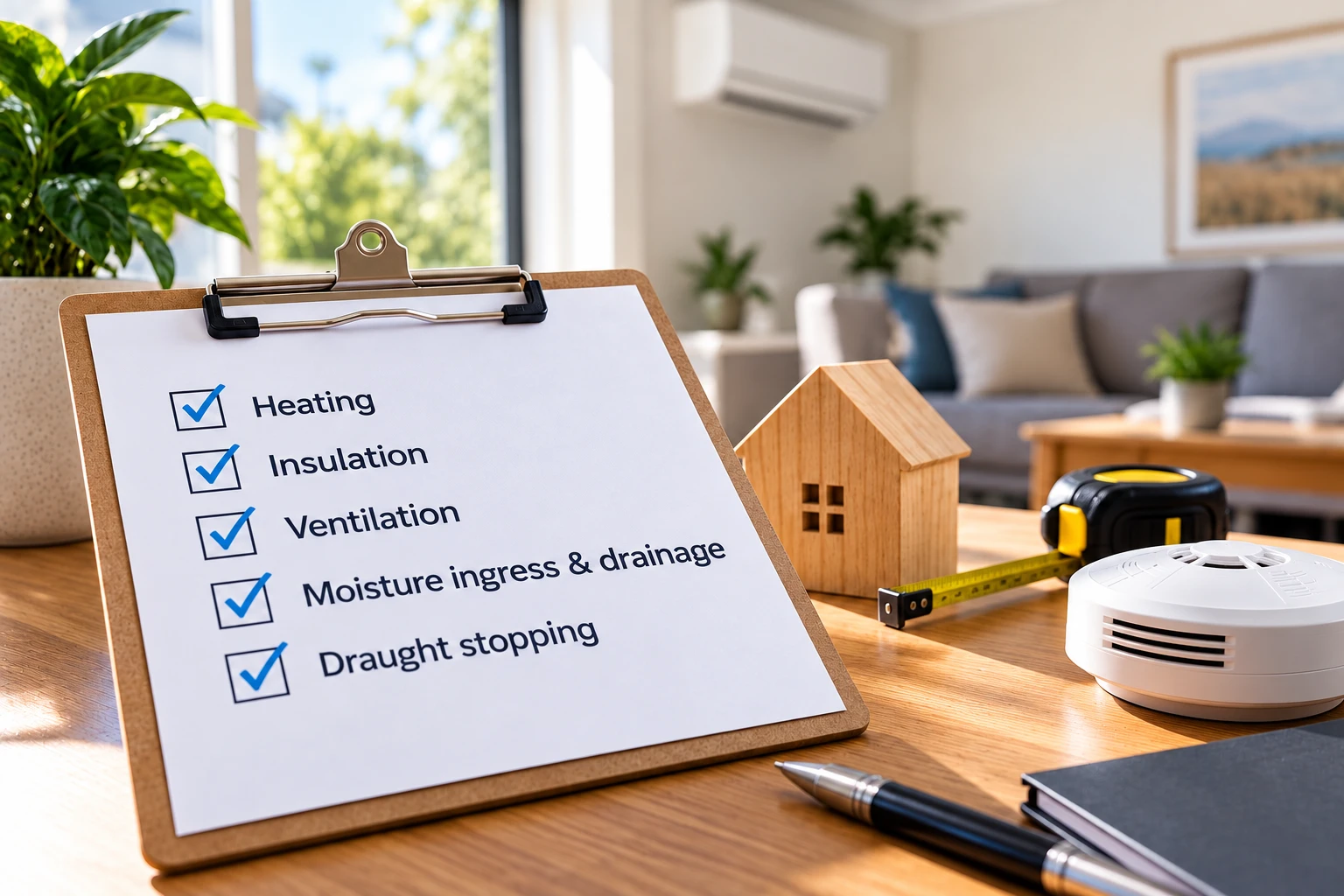
- The Healthy Homes compliance statement and the insulation statement. See Healthy Homes basics for landlords.
- Records showing how the property meets the standards, such as quotes, invoices and assessment reports
- A list of what is included in the sale, which matters if you want to claim depreciation. See chattels valuations.
- Any outstanding maintenance requests
After the sale: the new owner and the bond
If the tenant stays, you tell them who the new owner is and when they take over, and give the new owner a copy of the tenancy agreement. The new owner then tells the tenant their name, contact details, an address for service and how to pay rent.
The bond passes to the new landlord. You can only make a claim against it before settlement, or the possession date if that is earlier. If Tenancy Services holds the bond, you and the new landlord both need to submit a change of landlord form.
Don't forget the money side
Selling an investment property can have tax consequences, including the bright-line test, which applies if you sell within a set period after buying, and the treatment of any depreciation on chattels. That is a question for your accountant before you list, not after.
Common mistakes
- Agreeing a settlement date before checking how long the notice period is
- Photographing or showing the property without the tenant's permission
- Leaving the viewing arrangements verbal rather than written
- Listing before the tenant has been told
- Not having the compliance paperwork to hand when the buyer's lawyer asks
If you're weighing up whether to sell tenanted or empty, I'm happy to talk through what makes sense for your property and your tenant, including what I'd expect it to be worth either way.
This is general information only, not legal or tax advice. Tenancy law changes, so confirm current notice requirements and process with Tenancy Services, your property manager or your lawyer. The notice periods and viewing rules above reflect Tenancy Services' guidance on selling a rental property, last updated September 2026.