Buying a rental in Invercargill is a different decision from buying a home to live in. A property can feel right and still not stack up. Here's the list I'd run through before you go unconditional on an investment property.
1. Get your lending sorted first
Lenders usually assess investment lending differently from a home you'll live in, and deposit requirements can be higher. Know what you can borrow, and on what terms, before you start viewing.
Who can help: a mortgage adviser
2. Confirm a realistic rent
Base your numbers on what similar properties nearby actually rent for, not the best case and not a figure in a listing. A rental appraisal gives you something solid to work from.
Who can help: a property manager
3. Work out gross and net yield
Gross yield is the annual rent divided by the purchase price. Net yield takes the running costs off the rent first. Compare properties on the same basis, and treat yield as a starting point rather than the whole picture. There's more in gross vs net yield: what's the difference?
Who can help: you, with a calculator
4. Budget the running costs, including vacancy
Rates, insurance, maintenance and property management, plus the weeks a property may sit empty between tenants. Rates and insurance vary between properties, so get real figures rather than a rule of thumb. See what expenses should investors allow for?
Who can help: a property manager, an insurance adviser
Quick tip
Run the numbers on the worst realistic case, not the best one. If a property still works with a couple of weeks of vacancy and a maintenance bill, you'll sleep better.
5. Check Healthy Homes compliance
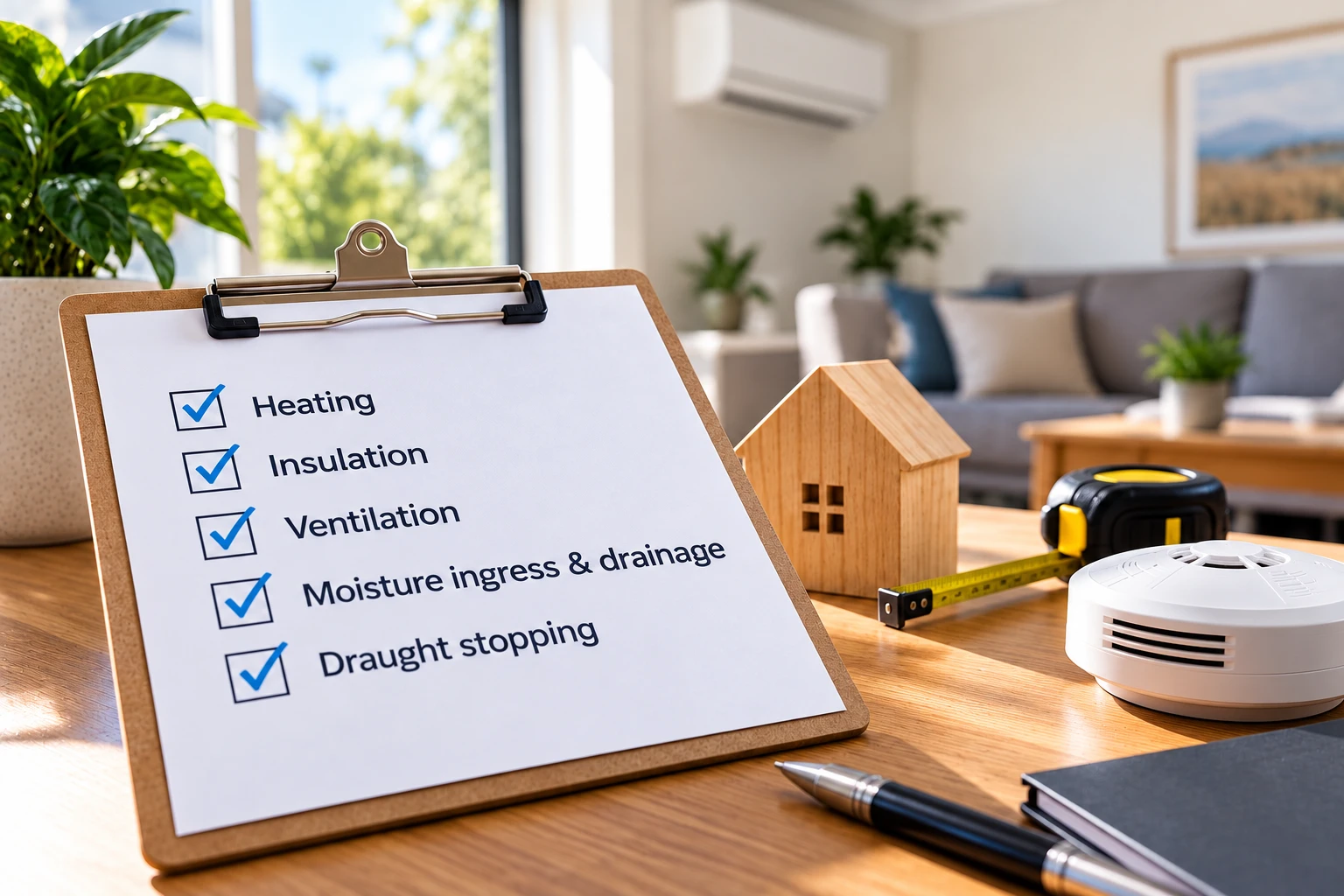
Rentals must meet standards for heating, insulation, ventilation, moisture and drainage, and draught stopping, and the deadline for all private rentals has now passed. Ask for any assessment and records, and what work is still needed, because any shortfall is a cost you'll inherit. Start with Healthy Homes basics for landlords.
Who can help: a Healthy Homes assessor
6. Read the LIM and get a building report
A LIM from the council shows consents, permits and known issues on the property. An independent building report covers the condition of the roof, foundations, moisture and anything built without a consent. Together they tell you what you're really buying.
Who can help: a building inspector, your lawyer
7. Get an insurance quote
Get landlord and building cover quoted before you go unconditional. Cost and availability can differ from one property to the next, and it's better to know now than after you've committed.
Who can help: an insurance adviser
8. Ask about a chattels valuation
Items such as the heat pump, blinds and appliances can sometimes be valued separately at purchase, which may matter for your tax position. It's worth asking your accountant whether you need one.
Who can help: your accountant
9. Assess location and tenant appeal
Warm, dry, well-located homes attract and keep good tenants. Think about schools, work, transport, the street and parking, and whether you could sell it well later. This is where local knowledge helps, and it's something I can talk through with you.
Who can help: me, and your property manager
10. Talk to your accountant about tax
How you'll own the property, what's deductible, and rules such as the bright-line test, which have changed over time. Get this sorted before you buy, not after.
Who can help: your accountant
Buying with tenants in place?
You take over the existing tenancy, so check the tenancy agreement (rent, term and bond), the rent history and the Healthy Homes compliance statement. Have your lawyer review it all before you go unconditional. More in selling a tenanted property, which is useful from the buyer's side too.
Where I fit in
I'm a real estate salesperson, not a financial adviser, accountant or mortgage adviser. I look after the property side: local listings, areas and what a property is like. For the lending, tax and legal questions, you want the right professional, and if you don't have them yet, I'm happy to point you in the right direction.
If you'd like to talk through a specific property or area, get in touch.
This is general information only, not financial, tax, legal or lending advice. Rules and market conditions change, so check the details with your own advisers before making decisions.